


Applied Cognitive Psychology & Behavioural Science Coach Program.









Triple Certification.
1. Certified Cognitive Psychology Coach
2. Certified CBT Skills Practitioner
3. Certified Behavioral Coach
November 2026
Phase 1: November 24, 25, 26, 27 (4 days)
Phase 2: December 8, 9, 10, 11, 12 (5 days)
Phase 3: December 16, 17, 18, 19 (4 days)
Total 13 days
Time :
05:30 PM – 08:30 PM GST
09:30 AM – 12:30 PM EDT
Price :
AED 3,700
Empower Change from Within ; The Essential Toolkit for Coaches!
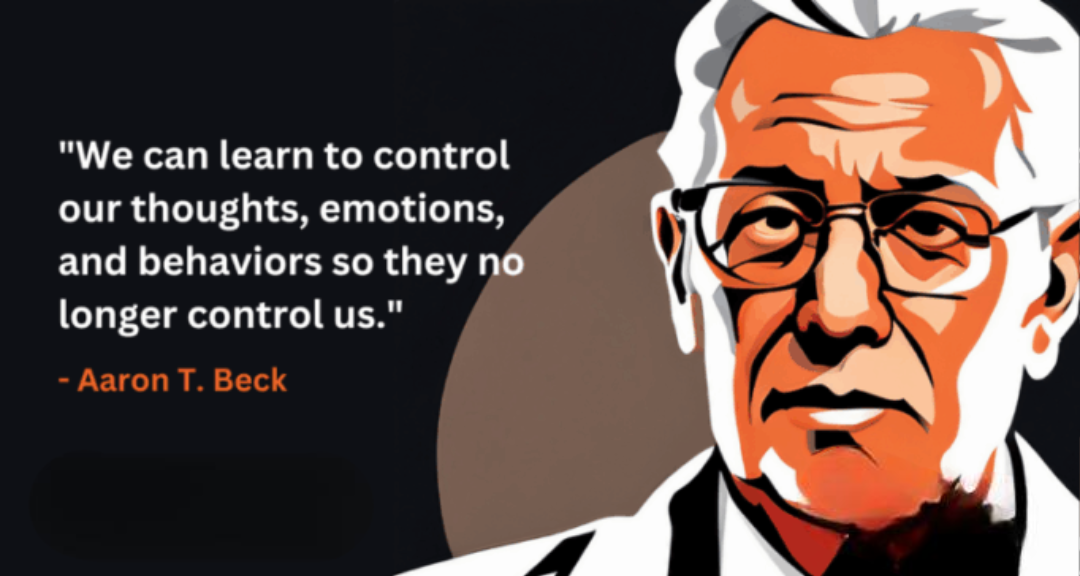
“The essence of cognitive therapy is to help a person be unburdened by his past and future, and to live in the present with full meaning and satisfaction.” Aaron T. Beck
This 13-day intensive certification program equips participants with cutting-edge psychology based tools and techniques.

Program Details.
Key Features:
- Interactive demonstrations
- Practice groups with real-time feedback
- Reflective assignments and
- personalized guidance
Fee: Competitive pricing with an optional
installment plan
Understanding Cognitive Behaviour Therapy
Core Principles of CBT (Cognitive Behavioral Therapy)
- Thoughts-Feelings-Behaviors Link: Our thoughts influence emotions and actions.
- Structured & Time-Limited: Typically short-term with a session agenda.
- Evidence-Based:Relies on testing thoughts and behaviors for accuracy.
- Collaborative: Practitioner and client work as a team.
- Skill-Building: Teaches practical techniques for real-life challenges.
- Homework-Driven: Encourages practice between sessions.
Transformative CBT Techniques
- Cognitive Restructuring: Replace distorted thoughts with balanced ones.
- Behavioral Activation: Engage in meaningful activities to boost mood.
- Exposure Therapy: Gradual exposure to reduce fear and avoidance.
- Thought Records: Track and challenge automatic thoughts.
- Relaxation Techniques: Use breathing and mindfulness to manage stress.
- Problem-Solving Training: Develop effective strategies for challenges.
- Behavioral Experiments: Test beliefs in real-world scenarios.
- Relapse Prevention: Prepare strategies to maintain progress.
Origins Of CBT
Cognitive Behavioral Therapy (CBT) was developed in the 1960s by Aaron T. Beck. It changed the way therapy was done by focusing on changing negative thoughts that affect emotions and behaviors. Unlike older methods like psychoanalysis, CBT is practical, focused on the present, and shorter in duration.
The Impact
CBT continues to be effective because it adapts over time while staying focused on changing negative thinking patterns. It’s used worldwide and remains a trusted treatment method for many mental health conditions.
What Makes CBT Stand Apart
CBT is unique because it is:
- Research-Proven: It has strong evidence showing it works for mental health issues like anxiety and depression.
- Action-Oriented: It focuses on practical steps to change negative thinking and behavior.
- Present-Focused: It works on current thoughts and behaviors, not the past.
- Empowering: It helps people manage their own mental health by teaching them how to change their thoughts.)
Connection To Coaching.

CBT and coaching intersect because:1.Goal-Focused: Both help people set and achieve goals, whether it’s managing emotions in CBT or reaching personal goals in coaching.2.Practical Tools: Both teach practical strategies to overcome challenges and take action.
3.Self-Awareness: Both encourage understanding your thoughts, feelings, and behaviors to improve your life.
4. Empowering: Like CBT, coaching helps people build confidence and skills to manage their own growth.
While CBT focuses more on mental health, coaching is about reaching personal goals. But both share similar tools to help people improve their lives.
Who Should Attend?.
- Aspiring coaches seeking a strong foundation in coaching principles.
- Practicing coaches who want to deepen their expertise with CBT, cognitive psychology, and behavioral coaching.
- Therapists, psychologists, and counselors looking to add a coaching framework to their practice.
- Parents learn how to guide their children to a better futureHR professionals, corporate trainers, and managers aiming to support teams with effective behavioral strategies.
- Individuals passionate about understanding human behavior, thought processes, and change facilitation.
CBT: Then vs Now.
Aspect
Focus
Issues Treated
Approach
Technology
Research
Therapist Role
Then (1960s–1980s)
Changing negative thoughts.
Depression and anxiety.
Short, structured sessions.
In-person therapy only.
Early research.
Directly guides the patient.
Now (2020s–Present)
Includes mindfulness and emotional skills.
Treats many issues like PTSD, OCD, and addiction.
Combines CBT with other methods (like mindfulness).
Online apps and digital CBT programs.
Strong scientific support and proven success.
More collaborative, involving patient input.
More Powerful advantages when you enroll now.
1.Versatile Skills.
The perfect blend of psychology, coaching, and behavior change for maximum impact.
3. High Demand.
Equip yourself with sought-after skills in coaching, therapy, and personal development spaces.
2. Science-Backed.
Grounded in evidence-based practices from CBT and cognitive psychology.
4. Global Impact.
Prepare to transform lives across personal, corporate, and therapeutic contexts.
Phase 1: Foundations of Coaching through a Cognitive Psychology Lens
Objective: Build a solid understanding of coaching principles while integrating cognitive psychology insights.
Duration: 4 Days
Key Topics:
- Coaching Fundamentals: Core competencies, ethics, and frameworks.
- Introduction to Cognitive Psychology: How thoughts influence emotions and behavior.
- Coaching through Cognitive Psychology: Understanding mental filters, cognitive distortions, and reframing.
- Tools & Techniques: Active listening, powerful questioning, and mental model mapping.
Outcome:
Participants will gain foundational coaching skills and the ability to apply cognitive psychology to foster deep client insights.
Phase 2 : CBT Practitioner Training
Objective: Introduce participants to CBT principles and their practical applications in coaching.
Duration: 5 Days
Key Topics:
- Foundations of CBT: History, evolution, and core principles.
- Understanding CBT Techniques: Thought records, cognitive restructuring, and behavioral experiments.
- CBT and Coaching: Bridging therapy and coaching for transformational results.
- Applications in Coaching: Using CBT to address anxiety, stress, and negative self-talk.
Outcome:
Participants will understand CBT’s power as a coaching tool and learn how to integrate it effectively into their practice.
Phase 3: CBT, Cognitive Psychology & Behavior Coach
Objective: Empower participants with advanced skills to facilitate cognitive and behavioral change in clients.
Duration: 4 Days
Key Topics:
- Advanced Cognitive Coaching: Leveraging CBT for deeper mindset shifts and thought pattern changes.
- Behavioral Coaching Techniques: Strategies for habit formation, breaking unhelpful cycles, and achieving goals.
- Popular Coaching Applications:
- Managing Anxiety and Stress
- Overcoming Burnout
- Building Confidence and Overcoming Imposter Syndrome
- Achieving Consistent Goal Progress
- Enhancing Emotional Resilience
- Designing Behavioral Interventions: Action plans for sustainable change
Outcome
Participants will become adept at using CBT and behavioral techniques to empower clients to achieve lasting transformations.
Relevance & Application of CBT in Coaching and Mental Health.
CBT is a powerful tool for managing modern challenges and fostering personal growth.
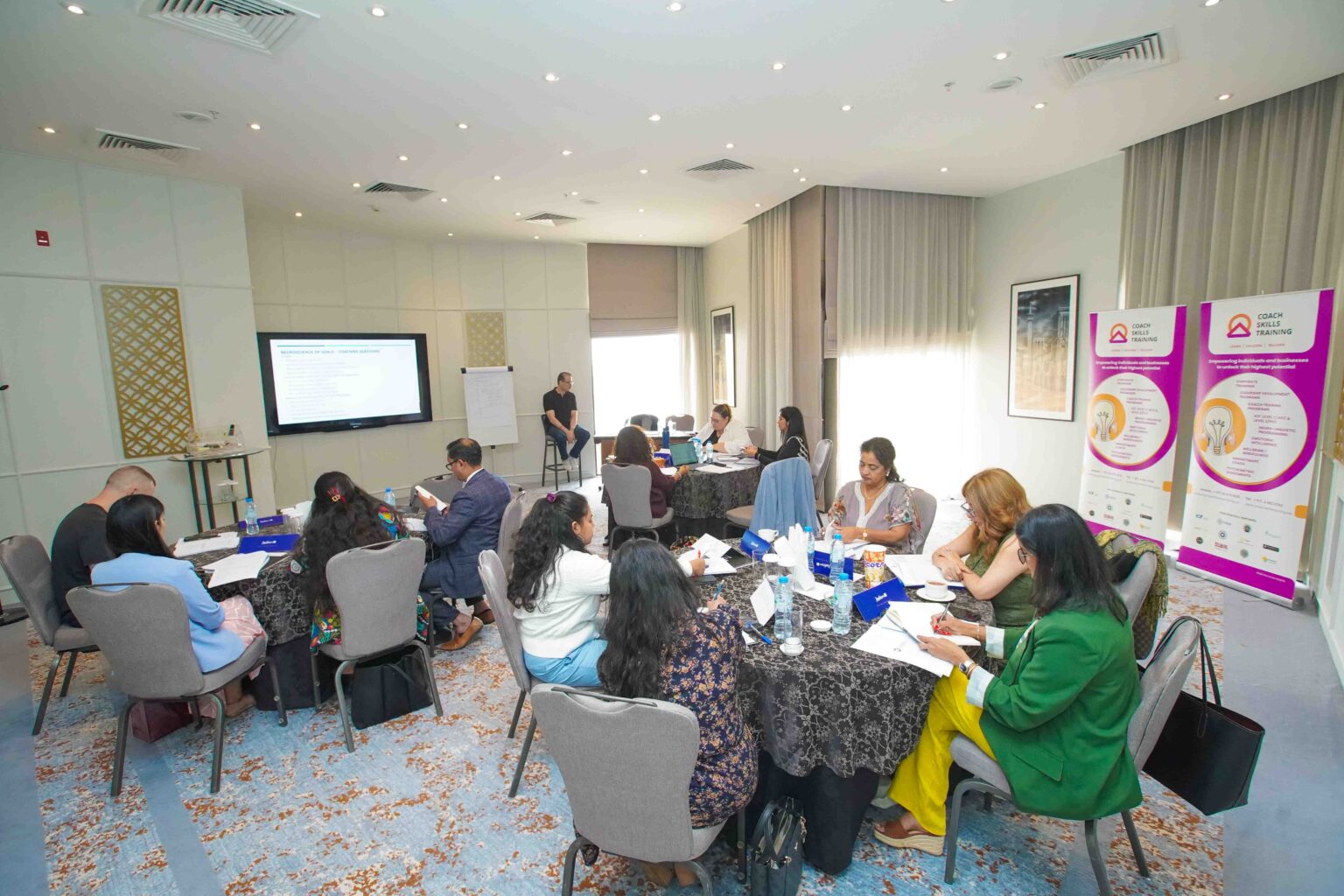
What You’ll Gain?.
1 . Triple Certification: Earn credentials as a CBT Practitioner, Cognitive Psychology Coach, and Behavioral Coach.
2. Proven Frameworks: Master sciencebacked techniques to address anxiety, stress, burnout, goal-setting, habit formation, and imposter syndrome.
3. Client Transformation Tools: Equip yourself with skills to foster cognitive shifts and behavioral changes in clients.
4. Self-Development: Gain insights into managing your own thoughts, emotions, and habits for personal and professional growth.
5. Versatility: Apply these skills across diverse contexts, including corporate coaching, personal development, therapy, and life coaching.
Why CBT Matters Today:
1 . Stress Relief: Helps manage anxiety and life pressures
2 . Emotional Strength: Builds resilience and coping skills.
3. Clear Thinking: Promotes mindfulness and focus.
4. Efficient: Practical, time-saving approach.
In Coaching:
1. Break Barriers: Overcome self-doubt and limiting beliefs.
2. Positive Habits: Create lasting behavioral change.
3. Achieve Goals: Align thoughts with actions.
4. Boost Confidence: Replace negativity with empowering beliefs.
In Mental Health:
1 . Effective Treatment: Proven for anxiety, depression, and more.
2 . Balance: Reduces negative thinking for better well-being.
3 . Prevention: Teaches early intervention skills.
4 . Self-Empowerment: Offers practical tools for self-care
CBT connects coaching and mental health by providing practical strategies to create meaningful, lasting change.
Investment In Yourself
Transform your coaching practice by enrolling in this powerful program. The skills and certifications you gain will amplify your impact, enhance your client relationships, and set you apart as a leader in the field.
Benefits Beyond The Certification.
- Effective Tools:Learn proven methods to help clients change negative thoughts and behaviors, leading to real, lasting results.
- Greater Client Success:Help clients overcome challenges like anxiety, stress, and low confidence, guiding them toward personal and professional growth.
- Increased Credibility:Certification boosts your reputation, attracting more clients and building trust.
- Wider Reach:Apply your skills to work with a variety of clients, from those with mental health issues to those seeking personal development.
- Personal Growth:Gain insights into your own mindset, enhancing your coaching and life satisfaction.
- Expanded Coaching:Use CBT principles in different niches like career, health, and executive coaching, making you a versatile coach.
- Career Growth:Certification opens doors to new opportunities and a broader client base.
- Client Retention:Clients who see results are more likely to stay and refer others.
Key Components.
Training Structure & Methodology
Our program is designed to deliver a comprehensive and hands-on learning experience, equipping participants with practical skills and a deep understanding of cognitive and behavioral techniques. The training is divided into three progressive phases, each focusing on core principles and techniques to ensure mastery of practical application.
Daily Format
Two 85-Minute Sessions
10 Minute Break
1 . Interactive Learning: Hands-on activities and discussions for deeper engagement.
2 . Reflective Integration: Journaling and self-assessment for personal insights.
3 .Progressive Learning: Step-by-step mastery of CBT, cognitive psychology, and behavior coaching techniques.
4 . Immersive Environment: Real-world scenarios and active participation.
5 .Live Demonstrations: Expert-led examples of skills in action.
6 .Modeling Techniques: Observing and practicing effective methods.
7 . Real-Time Application: Immediate use of techniques during sessions
8 .Personalized Feedback: Individual guidance to enhance performance.
9 .Interactive Group Work: Peer collaboration and skill-building exercises.
“Becoming certified in CBT and cognitive psychology coaching is a game-changer for your coaching career and client impact.”
Program Facilitator.
Ms. Qurat ul Ann, PCC (ICF)
Mentor Coach | Licensed Emotional Intelligence & Cognitive Behavioral Trainer
Founder – Inspiration to Excellence Community | Keynote Speaker
Counselling Psychologist
With a distinguished background in coaching, counseling, and behavioral training, Qurat ul Ann is a passionate advocate for personal mastery and professional excellence. As an ICF Professional Certified Coach (PCC) and Licensed Cognitive Behavioral Trainer, she blends the science of psychology with the art of coaching to create deeply transformative learning experiences.
A multilingual professional fluent in English, Arabic, and Urdu, she brings inclusivity and cultural depth to her mentoring. She is the visionary behind EmpowerHer Coaches – Pave the ICF Way, a mentoring program supporting ACC and PCC credentialing coaches, and the founder of Inspiration to Excellence, a community committed to coaching, mentoring, and transformational training